
A lot of adults with ADHD do not get diagnosed as children. They get diagnosed in their thirties, forties, or later, usually after years of assuming that disorganization, procrastination, and a wandering mind were personal failings rather than a treatable condition. Understanding why adult ADHD gets missed for so long helps explain why so many people are only now getting answers.
A More Common Diagnosis Than Most People Realize
According to a 2024 report from the Centers for Disease Control and Prevention, an estimated 6.0% of U.S. adults, roughly 15.5 million people, currently have an ADHD diagnosis, and about half of them were not diagnosed until adulthood. That last figure is the important one. ADHD has long been thought of as a childhood condition that some people simply outgrow, but the CDC data tells a different story: for a large share of adults living with it, the diagnosis never happened during childhood at all.
Part of the reason is that ADHD does not always look the way people expect. The stereotype of a hyperactive child bouncing off the walls describes only one presentation of the condition, and it is not the one most adults are dealing with. Adult ADHD is much more often about inattention, difficulty prioritizing tasks, losing track of time, and a persistent sense of mental clutter, symptoms that are easy to mistake for stress, poor discipline, or simply being busy.

Why Symptoms Surface Later in Life
Childhood structure, parents managing schedules, teachers enforcing routines, shorter and more supervised tasks, can mask ADHD symptoms for years. Adulthood removes most of that scaffolding. A new job with less oversight, a household to run, a schedule with no one checking whether homework got done: these are the moments when executive function gaps become impossible to ignore.
Women in particular are more likely to receive a late diagnosis. Inattentive ADHD, which is more common among women, tends to look like daydreaming or disorganization rather than the disruptive behavior that gets a child referred for evaluation early. Many women describe reaching their thirties or forties, often after a major life transition like a new job or a child of their own, before the pattern finally gets named.
What It Actually Looks Like in Adults
Adult ADHD rarely announces itself the way it might in a classroom setting. More often it shows up as:
Chronic difficulty starting tasks, even ones that matter, until a deadline creates urgency
Losing track of time so consistently that it affects work or relationships
A history of unfinished projects, half-read books, or abandoned hobbies
Frustration tolerance that feels lower than it should be for minor setbacks
Feeling mentally scattered even in quiet, low-stimulation environments
A pattern of being told you are smart but not living up to your potential
Any one of these can happen to anyone occasionally. The pattern is what matters, not a single bad week.

Getting an Accurate Diagnosis
A proper ADHD evaluation is more involved than a quick questionnaire. It typically includes a detailed history covering childhood behavior where available, current symptoms across multiple areas of life, and screening for conditions that can mimic or overlap with ADHD, including anxiety, depression, and sleep disorders. Because ADHD often coexists with other conditions, a thorough evaluation matters more than a fast one.
Adult ADHD treatment usually combines behavioral strategies, such as external structure and task management systems, with medication when appropriate. Stimulant medications remain the most researched option, though non-stimulant alternatives exist for people who do not tolerate them well or who have other medical considerations. What matters most is an individualized plan built around how ADHD actually shows up for that person, not a one-size-fits-all prescription.
The Overlap With Other Conditions
ADHD rarely shows up in isolation, and that overlap is part of what makes late diagnosis so common. Anxiety frequently develops alongside ADHD, sometimes as a direct response to years of missed deadlines and forgotten commitments, and sometimes as a separate condition that happens to share some symptoms with it. Depression can follow a similar path, particularly for adults who spent years attributing their struggles to laziness or poor character rather than an underlying neurological difference. Sleep problems are common too, since many adults with ADHD run on a delayed internal clock that makes conventional sleep schedules difficult to maintain.
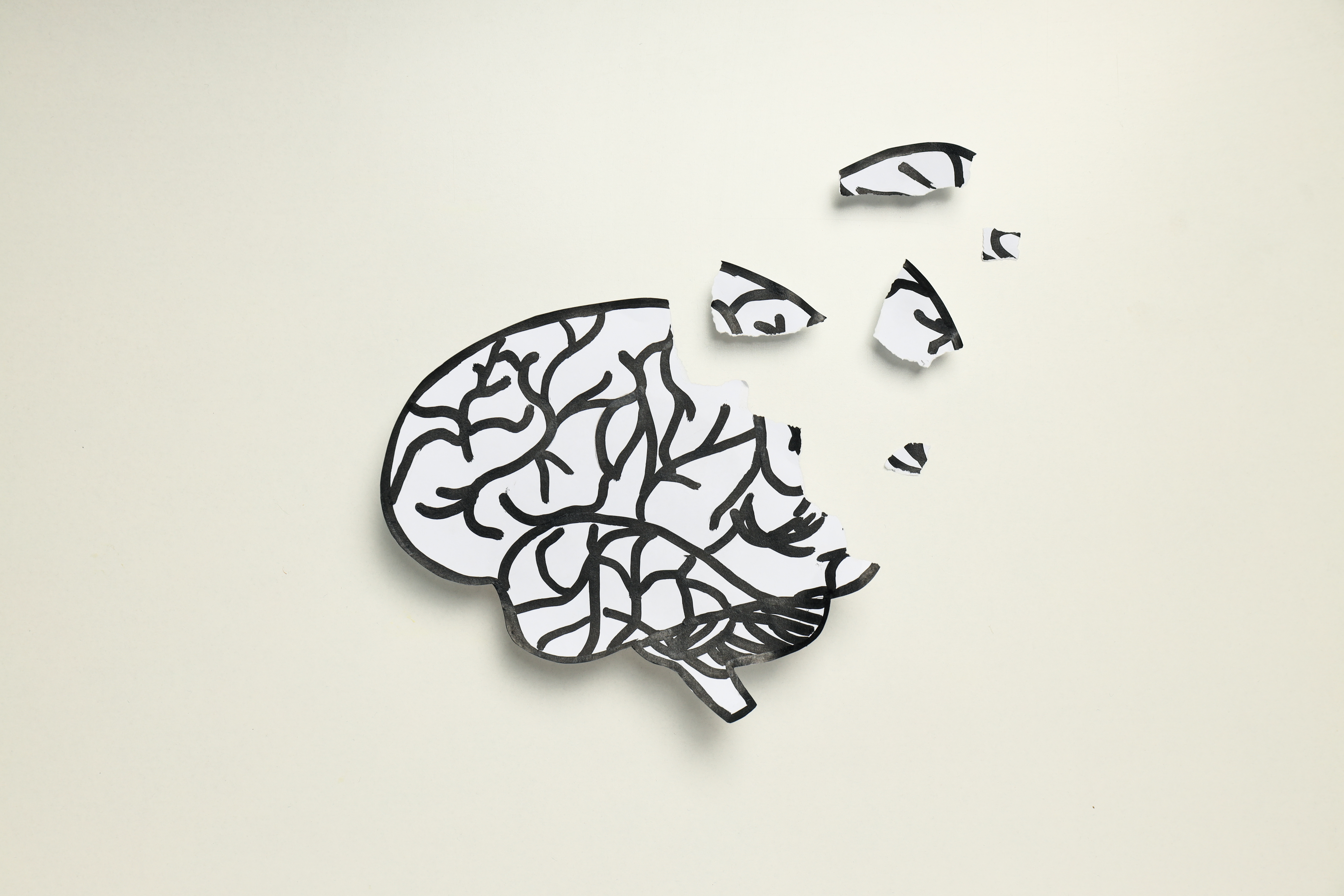
This overlap is precisely why a thorough evaluation matters more than a quick checklist. A clinician who only screens for ADHD symptoms in isolation risks missing an anxiety or mood disorder that is contributing to the same difficulties with focus and follow-through, or overlooking a sleep disorder that mimics inattention. Treating ADHD without addressing a coexisting condition, or treating anxiety without recognizing the ADHD underneath it, tends to produce partial results at best.
Why a Late Diagnosis Still Matters
Some adults hesitate to pursue an evaluation because they assume it is too late to matter, that they have already built a life around working around their symptoms. In practice, a diagnosis at forty or fifty can still change quite a lot. It reframes years of self-criticism as a treatable neurological pattern rather than a character flaw, and it opens the door to strategies and medication that were never available before.
Practices like Gimel Health treat adult ADHD evaluations with the same thoroughness as any other psychiatric assessment, looking at the full clinical picture rather than assuming a quick symptom checklist tells the whole story. If disorganization, procrastination, or a scattered mind have followed you through most of your adult life rather than showing up occasionally under stress, that pattern is worth bringing to a clinician. A diagnosis does not undo the years that came before it, but it does change what comes next.


